

In our increasingly digital world, it's common to hear about blue light and the potential impact it has on our eyes. With so much screen time becoming a daily reality for many, the conversation around blue light filtering glasses has grown, leaving many wondering if these specialized lenses are truly beneficial or just another trend. At Total Vision Centers, we believe in providing clear, knowledgeable answers to help you make informed decisions about your eye health.
Understanding Blue Light
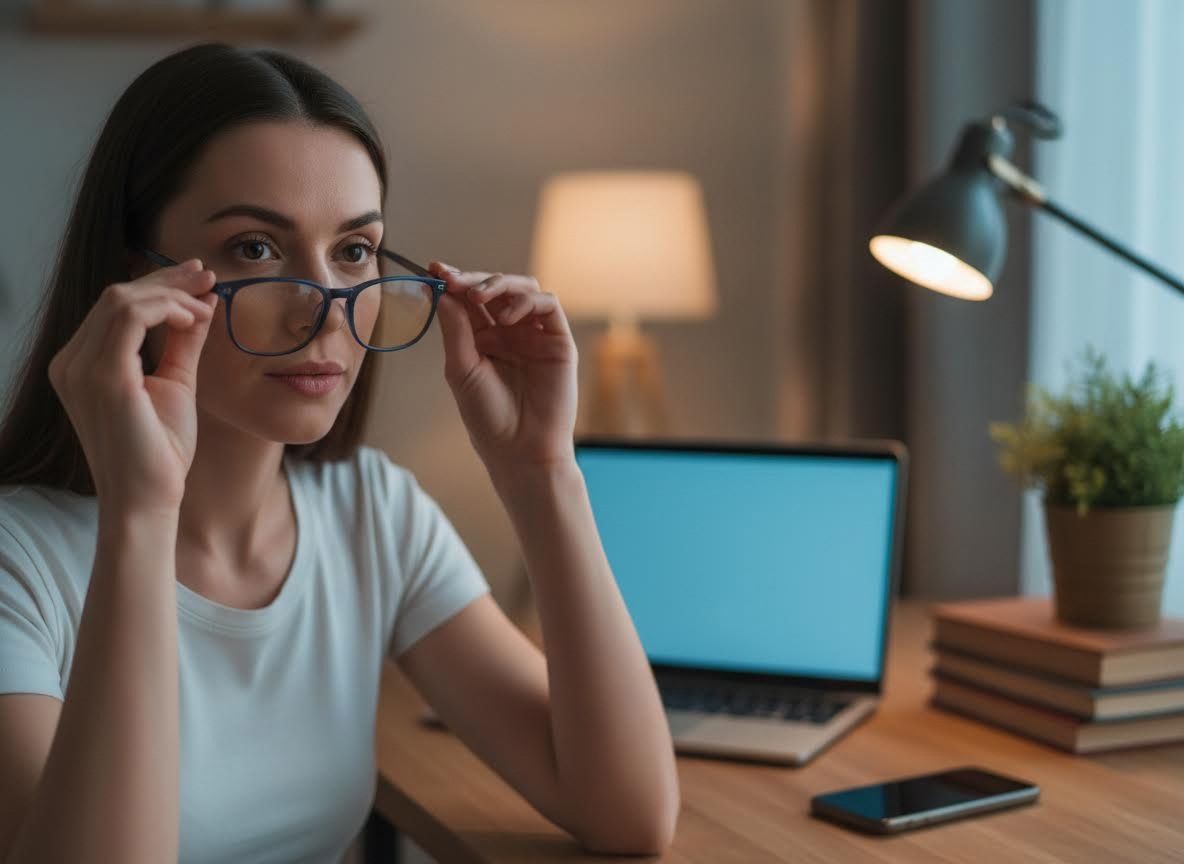
Blue light is a segment of the visible light spectrum with shorter wavelengths and higher energy. It's naturally present in sunlight and plays a vital role in regulating our circadian rhythm, boosting alertness, and elevating mood during the day. However, digital screens from our computers, smartphones, and tablets also emit blue light, and concerns have been raised about potential overexposure from these devices, particularly during evening hours.
The Science Behind the Claims
The primary concern surrounding blue light from screens often centers on two areas: digital eye strain and sleep disruption. Some studies suggest that filtering blue light, especially in the evening, can help regulate melatonin production, potentially leading to better sleep. However, when it comes to preventing digital eye strain (symptoms like headaches, blurred vision, and dry eye), the scientific evidence is less conclusive. Many experts suggest that symptoms commonly attributed to blue light are often a result of prolonged screen use, reduced blinking, and improper viewing distances, rather than the blue light itself. There is currently no strong scientific evidence to suggest that blue light from digital screens causes permanent damage to the retina or contributes to long-term eye diseases.
Comprehensive Eye Care Beyond Blue Light
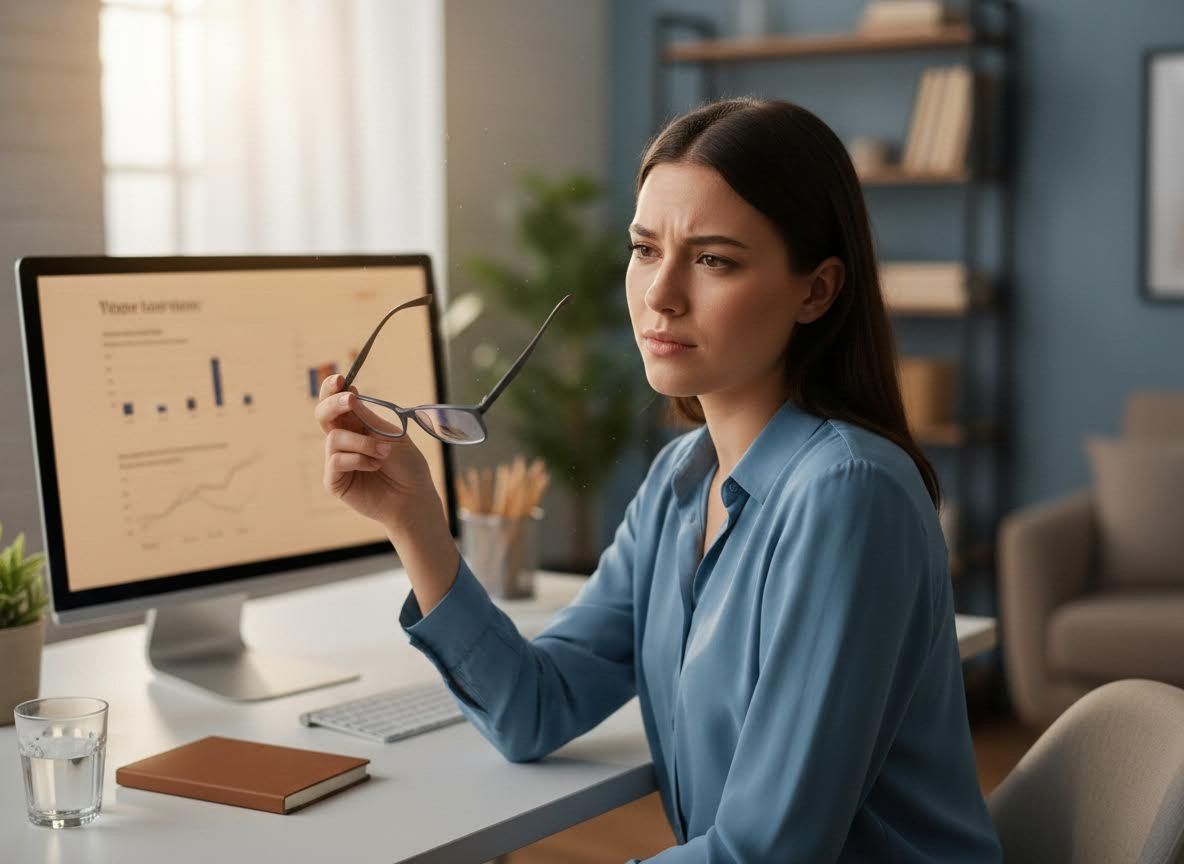
While blue light glasses may offer a placebo effect for some or aid in sleep patterns for others, they are not a substitute for comprehensive eye care. To truly protect your eyes in a digital age, consider incorporating practices such as the 20-20-20 rule (every 20 minutes, look at something 20 feet away for 20 seconds), maintaining proper screen distance, ensuring adequate lighting, and using lubricating eye drops for dry eye symptoms. Regular eye exams with a qualified optometrist are paramount for monitoring overall eye health, addressing any underlying issues like myopia, and receiving personalized advice. Your Springboro eye doctor can assess your specific needs and recommend solutions tailored to your lifestyle.
Navigating the claims about blue light glasses can be confusing, but the most important takeaway is that comprehensive eye care and healthy digital habits are essential for long-term vision health. While blue light filtering might offer some relief for sleep-related issues, their benefits for preventing digital eye strain or eye damage are not strongly supported by current research. To better understand how blue light might impact your vision and to explore personalized strategies for eye comfort and health, we invite you to consult with our experienced team at Total Vision Centers for a thorough eye exam. Book an appointment today!