
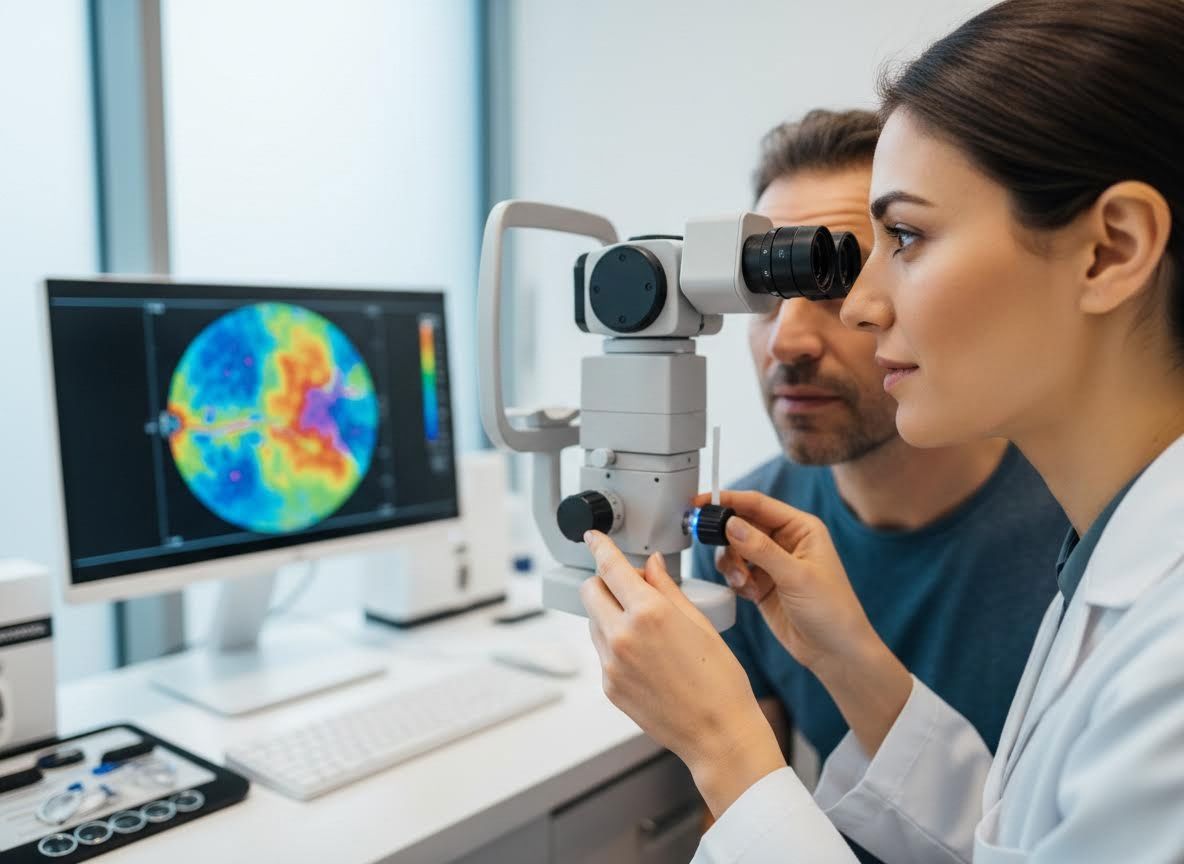
If you've ever experienced gritty, burning, or watery eyes, you might be familiar with the discomfort of dry eye disease. This common condition can significantly impact your daily comfort and vision quality, making everyday tasks challenging. Understanding your dry eye diagnosis options is the first crucial step towards finding effective relief. At Total Vision Centers, we believe in providing clear, comprehensive information to help you navigate your eye health journey, ensuring you receive the precise care you need.
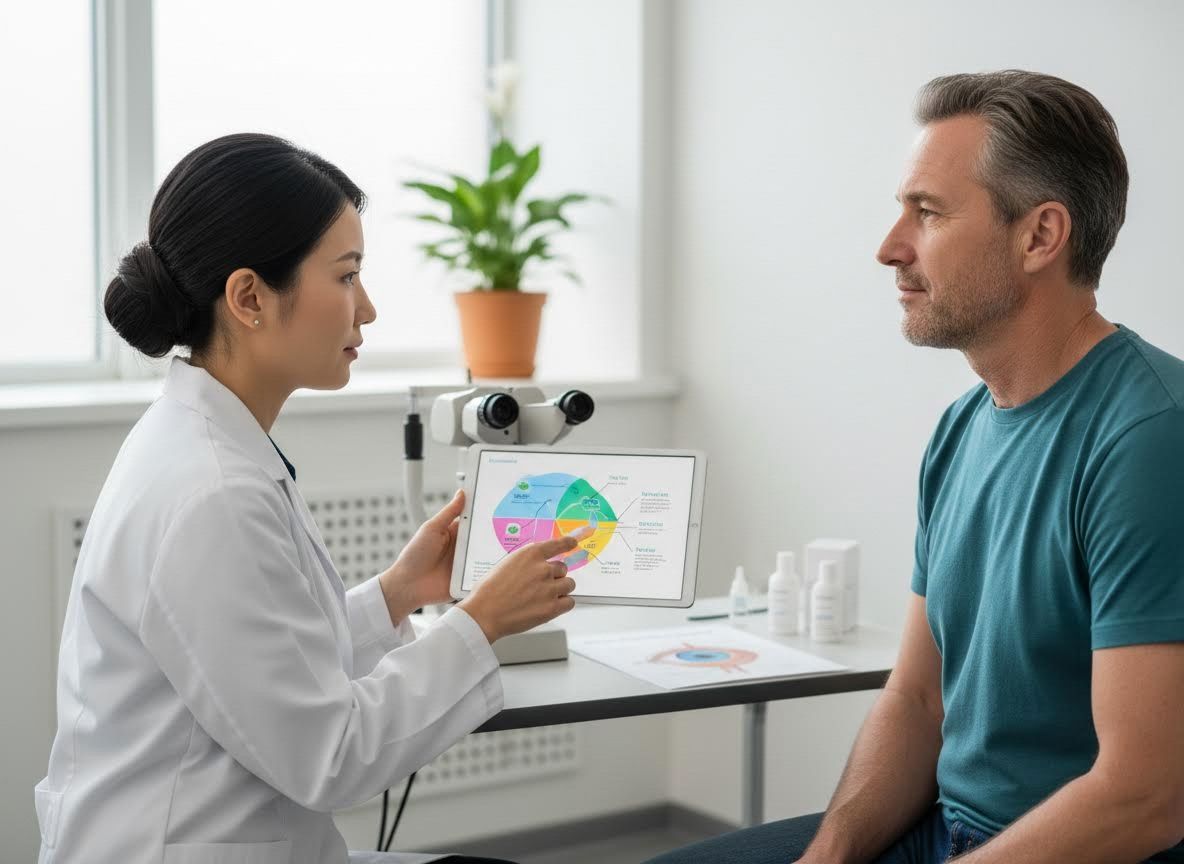
What is Dry Eye and Why Does Diagnosis Matter?
Dry eye disease occurs when your eyes don't produce enough tears, or when the tears they do produce aren't of the right quality. Tears are vital for lubricating the eye, washing away foreign particles, and providing nutrients to the cornea. When this delicate balance is disturbed, you can experience symptoms such as stinging, burning, redness, light sensitivity, blurry vision, and ironically, excessive watering (as your eyes try to compensate for dryness). A proper diagnosis is paramount because dry eye is not a single condition; it has various underlying causes, and effective treatment depends on identifying the specific type and severity of your dry eye.
Advanced Diagnostic Tools at Your Fingertips
Gone are the days when a dry eye diagnosis relied solely on a patient's symptoms. Today, eye care professionals utilize a range of modern, precise diagnostic tools to get a comprehensive picture of your tear film and ocular surface health. These may include:
Tear Break-Up Time (TBUT): This test measures how quickly your tears evaporate from the eye's surface. A quick break-up time can indicate an unstable tear film.
Schirmer's Test: A small strip of filter paper is placed under your lower eyelid to measure the amount of tears your eye produces over a certain period, helping to identify aqueous-deficient dry eye.
Corneal Staining: Special dyes are used to highlight any damage to the surface of your eye, revealing areas where the tear film is insufficient or where dry spots have formed.
Meibography: This imaging technique allows your optometrist to visualize the meibomian glands within your eyelids. These glands produce the oily layer of your tears that prevents evaporation, and dysfunction (MGD) is a leading cause of dry eye.
Tear Osmolarity Testing: This advanced test measures the saltiness of your tears. High osmolarity is a key indicator of dry eye disease and can help assess severity.
The Power of a Personalized Assessment
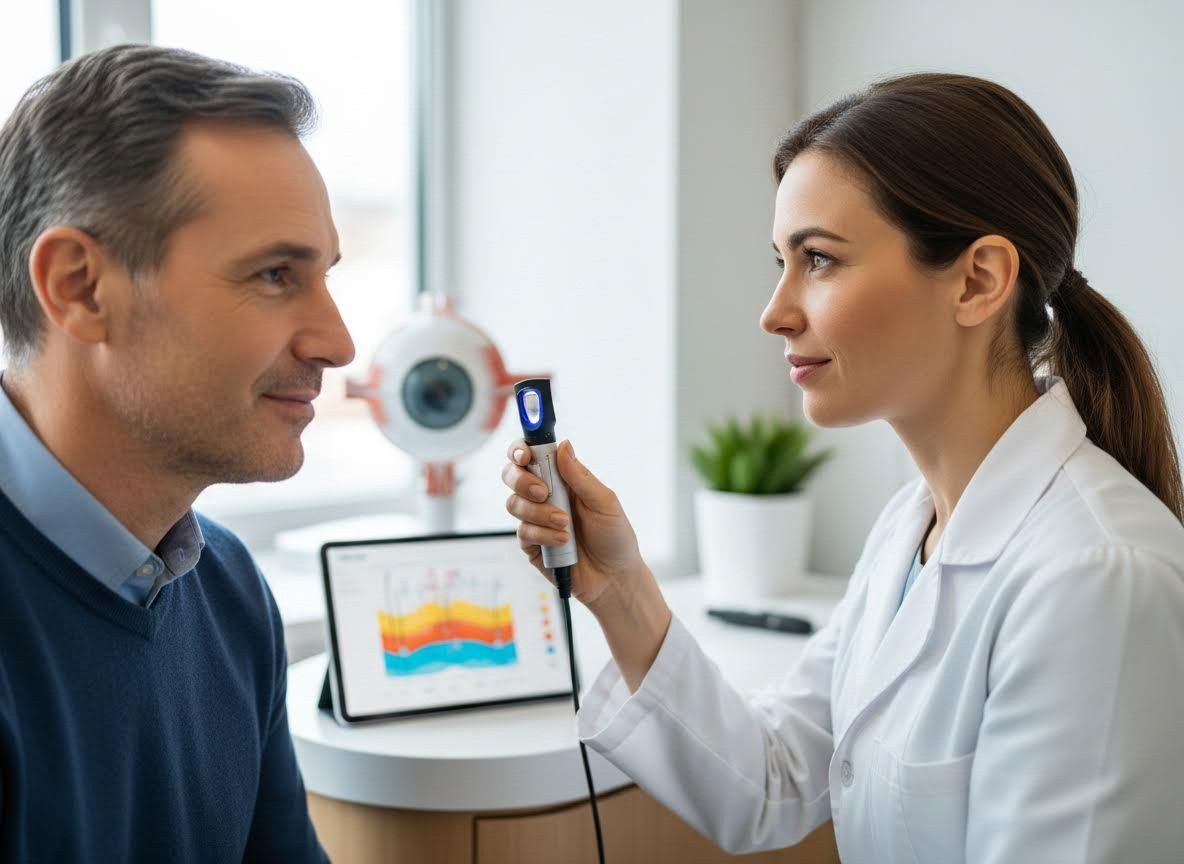
With such a variety of diagnostic options available, an experienced eye care professional can move beyond a generic dry eye diagnosis. They can pinpoint whether your dry eye is primarily due to insufficient tear production (aqueous deficiency), excessive tear evaporation (evaporative dry eye), or a combination of both. This level of detail is crucial for developing a truly personalized and effective treatment plan. Instead of a trial-and-error approach, a thorough assessment ensures that the recommended treatments target the root cause of your specific dry eye, leading to better outcomes and lasting relief.
Understanding the various diagnostic tools available for dry eye is essential for effective management and relief. These advanced assessments allow eye care professionals to uncover the specific causes of your discomfort, paving the way for a truly personalized treatment plan. Don't let dry eye diminish your quality of life; knowledge about your diagnostic journey empowers you to make informed decisions for your vision. At Total Vision Centers, we are dedicated to providing compassionate, high-quality care tailored to your unique needs. To discover how a personalized dry eye evaluation can improve your daily comfort and vision, we encourage you to speak with one of our experienced optometrists.