
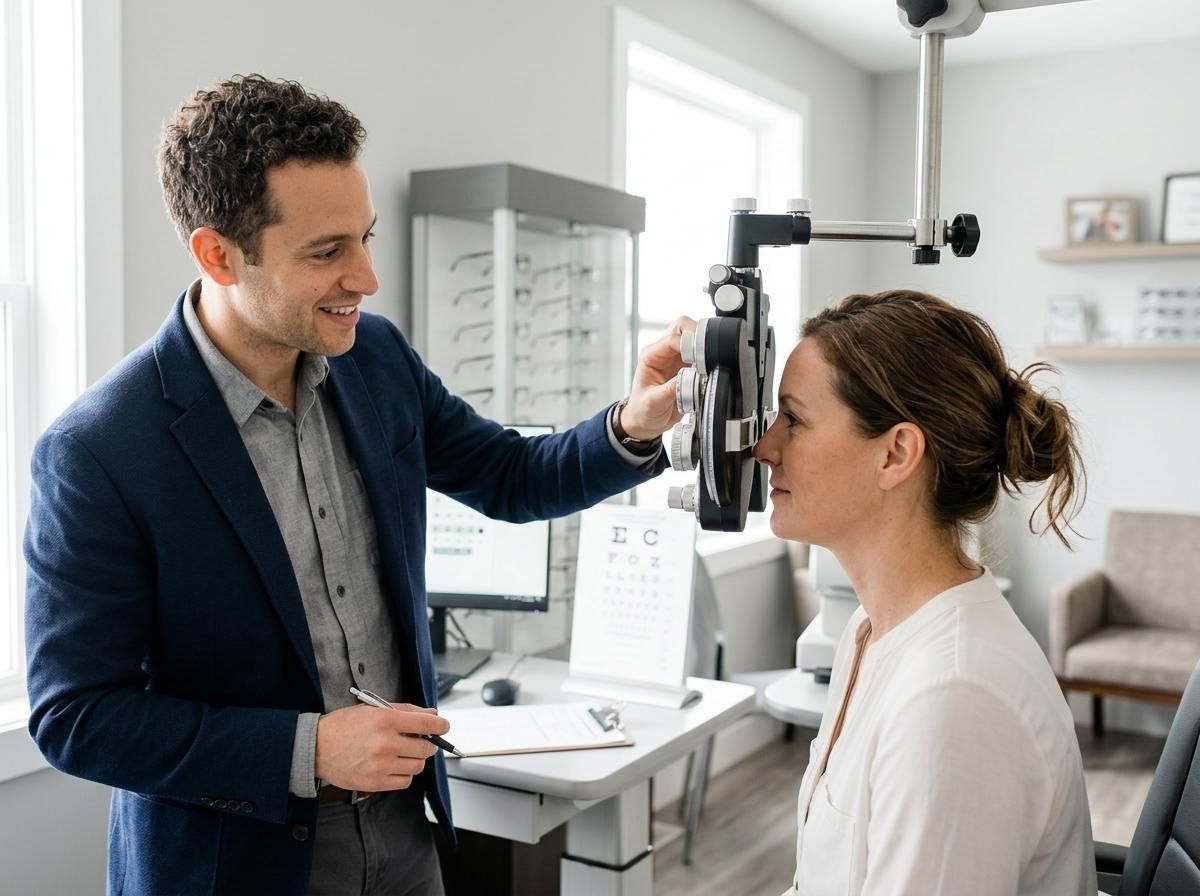
Navigating the world of insurance can often feel like reading an eye chart without your glasses – a little blurry and confusing! When it comes to eye care, many people wonder whether their vision insurance or medical insurance will cover their visit. It's a common question, and understanding the distinction is key to ensuring you get the comprehensive care you need without unexpected costs. At Total Vision Centers, we believe in helping our patients understand all aspects of their eye health, including how to best utilize their insurance benefits for optimal vision and wellness.
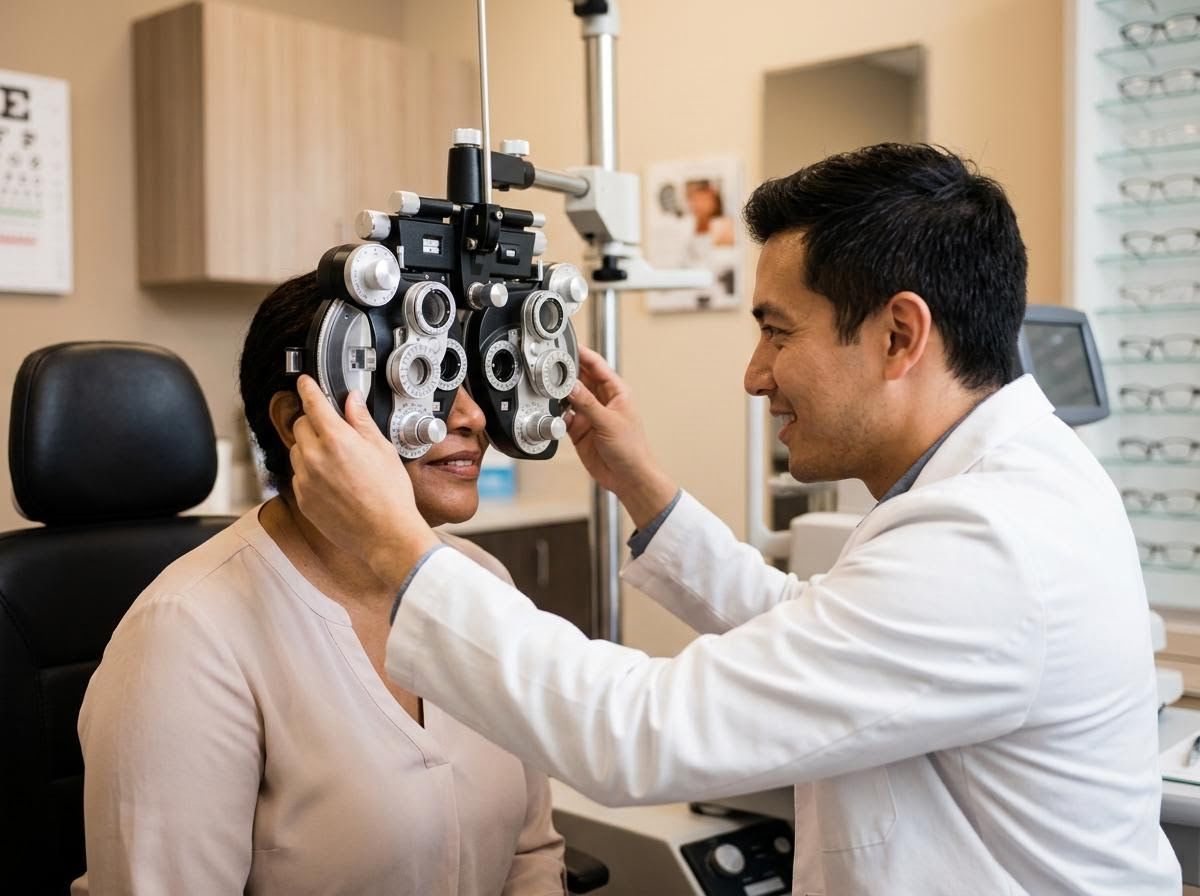
Vision Insurance: Focus on Routine Care
Vision insurance is designed specifically for routine eye health and corrective vision needs. Think of it as a wellness plan for your eyes. Its primary purpose is to help cover the costs associated with annual eye exams, which are crucial for detecting changes in your vision and catching potential issues early. Beyond the exam, vision insurance typically provides benefits for prescription eyewear, such as eyeglasses frames and lenses, and contact lenses. Some plans may also offer discounts on other services, like LASIK surgery. This type of insurance focuses on preventative care and maintaining clear, comfortable vision.
Medical Insurance: Addressing Eye Health Concerns
Your medical insurance, on the other hand, steps in when an eye condition is health-related or requires medical treatment. If you experience an eye injury, an infection like pink eye, or develop an eye disease such as glaucoma, cataracts, or macular degeneration, your medical insurance is generally the primary payer. It also covers eye conditions that are symptoms of a broader systemic health issue, like diabetic retinopathy or high blood pressure affecting the eyes. In these cases, the eye exam or treatment isn't just about vision correction; it's about diagnosing and managing a medical condition.

The Crossover: When Both May Apply
Sometimes, the lines between vision and medical insurance can blur, especially during an eye exam. If you come in for a routine eye exam under your vision insurance, but your optometrist discovers a medical condition, the follow-up tests, diagnosis, and treatment for that condition would typically fall under your medical insurance. For example, if your routine exam reveals signs of glaucoma, the subsequent tests to monitor the condition, and any prescribed medications, would be billed to your medical insurance. Our team works diligently to correctly identify the nature of your visit to ensure your claims are processed appropriately, maximizing your benefits for the care you receive.
Understanding your insurance benefits is an important step in managing your eye health and overall well-being. Knowing when to use your vision insurance for routine care and when your medical insurance will cover health-related eye conditions can save you time and provide peace of mind. To learn more about your specific coverage and how it applies to your eye care needs, we encourage you to contact our friendly team to discuss your plan details.